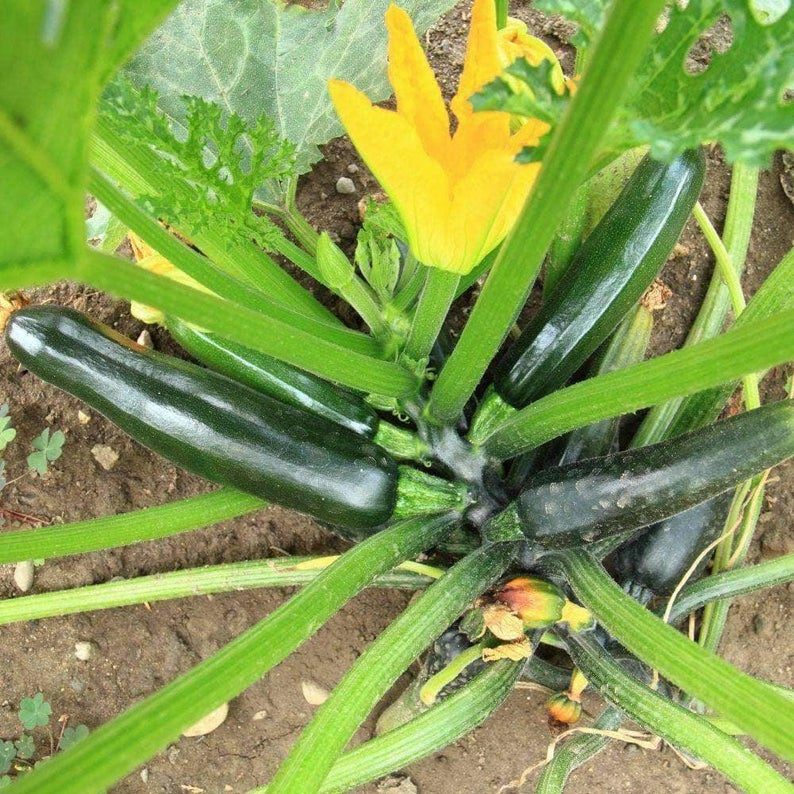
Why Is My Zucchini Rotting Before It Grows / Blossom End Rot Poor Pollination Id Solutions Garden Mentors - In particular, the bottom of the fruit, which grows the fastest, doesn't get enough calcium.. Blossom end rot is caused by calcium levels being too low in the soil. But early on, before the zucchini has worn out its welcome, excitement builds as those first baby. The virus is transmitted through these tiny insects which leads to stunted growth as well as relatively poor development of fruit. The easiest way is to add crushed egg shells to your soil around your plants. Keep the garden clean of debris that can harbor fungus.
Keep the garden clean of debris that can harbor fungus. The tell tale signs of this are blacked ends on the stunted fruit. New roots will develop from the buried stem. It gets full sun most of the day. If your little squash are getting wrinkles, and the plant looks otherwise healthy, it's probably not your fault.
Growing Zucchini So You Have A Big Harvest from rurallivingtoday.com You think you are going to get tons of beautiful red read more >> Zucchini is one of the plants they particularly love. Blossom end rot isn't a disease, it's due to the plant's inability to get calcium, which can be caused by a few things: I have tons of bees, and only my zucchini were affected. The tell tale signs of this are blacked ends on the stunted fruit. In particular, the bottom of the fruit, which grows the fastest, doesn't get enough calcium. This is the most common reason for zucchini flowers falling off the plant: The first signs of the disease include yellowing leaves of the zucchini plant, along with the veins.
The female blossom always has a tiny fruit behind the flower.
It may begin as a soft or discolored spot that gradually darkens, spreads and sinks into the fruit. Only female zucchini blossoms can produce zucchini squash. The first reason that your zucchini plants may be drying up is simply that they have not received the correct ratios of sun and water. It is caused by a lack of calcium in the fruit and the reasons are not always due to soil deficiency. The tell tale signs of this are blacked ends on the stunted fruit. If the ends of your zucchini get soft before they are fully grown, this is caused by squash blossom end rot and is a symptom of a calcium deficiency. But early on, before the zucchini has worn out its welcome, excitement builds as those first baby. In most cases, there is no need to apply calcium to the soil. Remember, a plant's sole purpose is to produce seeds. At first you almost always get male flowers (no little fruit behind flower) and then both. Normally, the most common complaint about zucchini (cucurbita pepo) is that there's too much of it. A less common reason for zucchini fruit falling off a plant is blossom end rot. Calcium helps a plant create a stable structure.
I just removed several zucchini, 2 to 3 inches long, with ber. If the ends of your zucchini get soft before they are fully grown, this is caused by squash blossom end rot and is a symptom of a calcium deficiency. Avoid high nitrogen fertilizers and ammonia fertilizers (such as fresh manure) that will stimulate foliage growth, add more salt to the soil and block the absorption of calcium. This is the most common reason for zucchini flowers falling off the plant: I have tons of bees, and only my zucchini were affected.
3 Common Squash Problems And How To Solve Them from s3.eu-west-2.amazonaws.com Root rot is often most prevalent on zucchinis planted for a fall harvest following damp, cool. When the zucchini blossom is fully pollinated, often by multiple bee visits, the fruit's ovaries develop evenly. To start, it's important to understand that zucchini and other squash plants are monoecious, meaning they produce separate male and female flowers on the same plant. This even growth gives the squash its customary lean and tapered shape. This affects all members of the squash family and tomatoes, peppers, chillies, aubergines (egg plants), and cucumbers. A less common reason for zucchini fruit falling off a plant is blossom end rot. Mountain mint (pycnanthemum) is a veritable weed, but i know of no better attractor of pollinators for north america. The other reason for zucchini to turn yellow and rot is blossom end rot.
Choanephora fruit rot is a fungus that grows on blossoms and developing fruit.
Zucchini is one of the plants they particularly love. The easiest way is to add crushed egg shells to your soil around your plants. My zucchini plant looks healthy with many flowers. It may begin as a soft or discolored spot that gradually darkens, spreads and sinks into the fruit. I just removed several zucchini, 2 to 3 inches long, with ber. Normally, the most common complaint about zucchini (cucurbita pepo) is that there's too much of it. The other reason for zucchini to turn yellow and rot is blossom end rot. Squash blossom end rot happens due to a calcium deficiency. It gets full sun most of the day. The female blossom always has a tiny fruit behind the flower. However flowers are not turning to fruit and if it does the squash is stunted and discolored with yellow streaking. If a plant gets too little calcium while the fruit is developing, there isn't enough to sufficiently build the cells on the fruit. Zucchini blossom end rot or is a common cause of zucchini rotting, so is inadequate pollination blossom end rot happens to zucchini and summer squash, but also tomatoes and other fruiting plants.
I am growing it in a lagre pot on my patio. It's disheartening to carefully tend your seedlings, finally spot a tiny squash, only to watch it shrivel up and die. The first signs of the disease include yellowing leaves of the zucchini plant, along with the veins. It is caused by a lack of calcium in the fruit and the reasons are not always due to soil deficiency. New roots will develop from the buried stem.
10 Growing Tips For Yellow Squash Urban Overalls from urbanoveralls.net Erratic watering causes blossom end rot in zucchini fruits. This affects all members of the squash family and tomatoes, peppers, chillies, aubergines (egg plants), and cucumbers. Zucchini is one of the plants they particularly love. Best answer sounds like blossom end rot. Blossom end rot isn't a disease, it's due to the plant's inability to get calcium, which can be caused by a few things: Another reason for the rotting of the end of your fruit and not growing is blossom end rot, it's common to see this in tomatoes, but it does affect the squash family as well. Nepeta spp., known as catmints have a ludicrously long bllom time and attract huge amounts of pollinators in my garden.the bee balm (monarda spp.) has also had a great following this year including hummers, who love it (i grow gardenview scarlet just for them). New roots will develop from the buried stem.
The first reason that your zucchini plants may be drying up is simply that they have not received the correct ratios of sun and water.
They will grow a bit on their own but if they are not fertilized they will turn yellow and rot. When the zucchini blossom is fully pollinated, often by multiple bee visits, the fruit's ovaries develop evenly. Blossom end rot is usually the result of a calcium deficiency in the fruit, and occurs when the zucchini plants have experienced some type of stress (e.g. My zucchini plant looks healthy with many flowers. Root rot is often most prevalent on zucchinis planted for a fall harvest following damp, cool. Remove and destroy infected blossoms and fruits. In most cases, there is no need to apply calcium to the soil. The easiest way is to add crushed egg shells to your soil around your plants. If you see wilting, slit open the stems, remove the larvae (white with black heads), then cover the damaged stem with good soil and keep watered. They are plants that can withstand a moderate amount of sun and heat, but they are not plants that enjoy full, direct sun. This is the most common reason for zucchini flowers falling off the plant: The first reason that your zucchini plants may be drying up is simply that they have not received the correct ratios of sun and water. The female blossom always has a tiny fruit behind the flower.